Industrial Blade
Manufacturers
Manufacturers

- All
- Product Name
- Product Keyword
- Product Model
- Product Summary
- Product Description
- Multi Field Search
English
Views: 0 Author: Site Editor Publish Time: 2026-01-16 Origin: Site


Whether you are a professional arborist clearing an entire lot or a homeowner managing seasonal yard waste, the condition and quality of your blades dictate your machine’s efficiency, safety, and operational costs.
Running dull or incorrect blades forces your engine to work harder, burns more fuel, and produces jagged, unusable chips. Worse, it increases vibration, which can lead to bearing failure or catastrophic equipment damage.
Conversely, understanding the science behind blade selection and maintenance can transform your chipping operation, boosting productivity and extending the lifespan of your machinery.
This comprehensive guide covers everything you need to know about wood chipper blades. We will explore the nuances of blade geometry, the pros and cons of different steel alloys, maintenance best practices, and how to select the perfect cutting tool for your specific application.
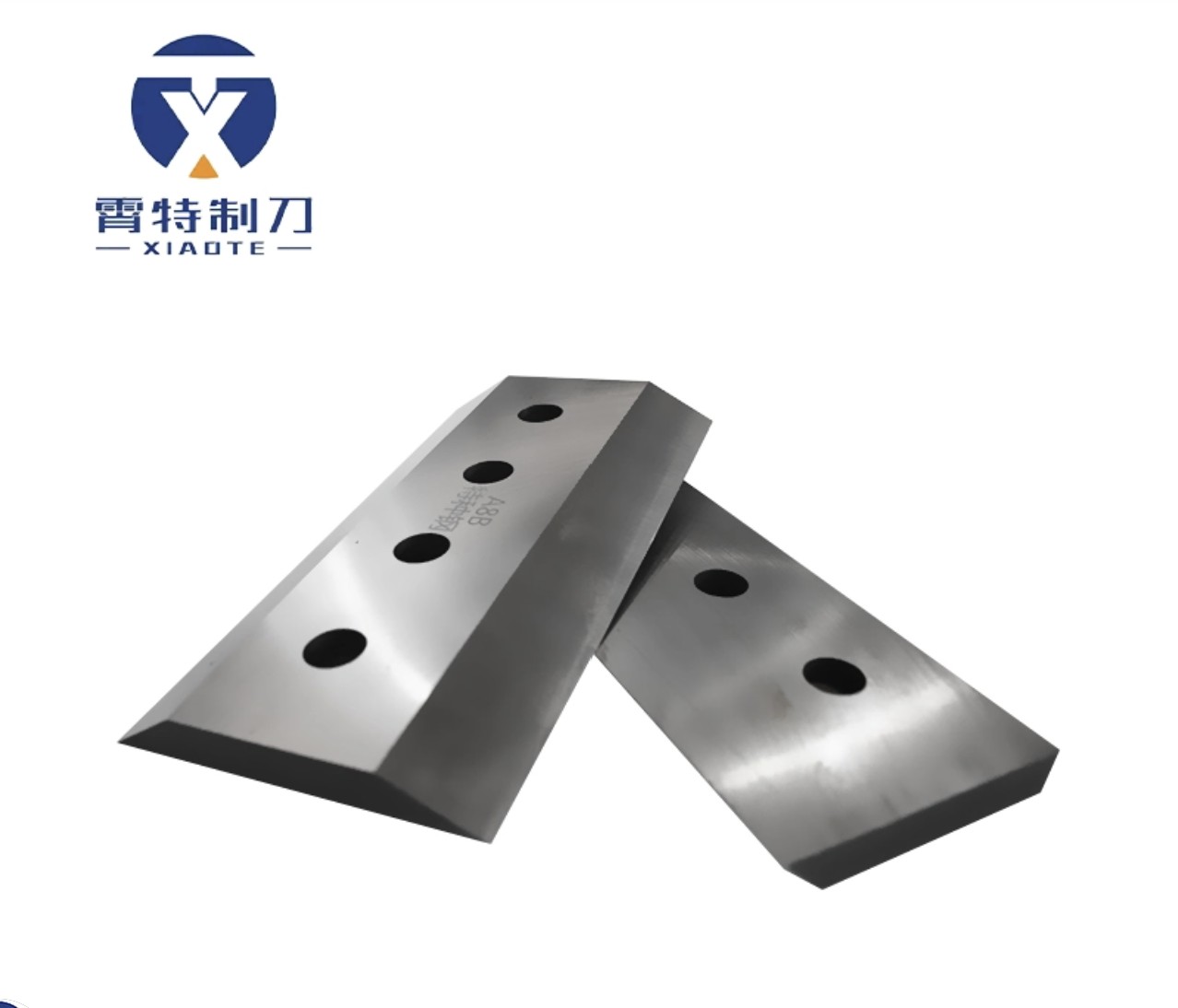
At their most basic level, wood chipper blades are heavy-duty cutting tools mounted on a rotating disc or drum. Their primary function is to slice through wood fibers, separating small chips from larger logs or branches. While this sounds simple, the engineering behind these blades is quite sophisticated.
Unlike shredder blades (which often use blunt force to crush material) or lawnmower blades (which rely on high velocity to tear grass), chipper blades function like industrial planers. They require a precise, razor-sharp edge to shave layers off the wood as it is fed into the machine. This “slicing” action is what allows a 6-inch branch to be reduced to uniform mulch in seconds.
These blades are vital in various sectors, from forestry and municipal landscaping to biomass energy production. In every context, the blade acts as the interface between raw material and a usable end product.
Understanding the mechanics of a chipper blade helps in diagnosing performance issues. The process typically follows a specific sequence: Feeding, Cutting, and Discharging.
Feeding: As wood enters the hopper, feed rollers (or gravity) push the material against the spinning disc or drum.
Cutting: The blade strikes the wood at a specific angle (the rake angle). A sharp blade creates a “self-feeding” action where the force of the cut actually pulls the wood further into the machine. This is why dull blades often require the operator to physically push material, which is a major safety hazard.
Chip Formation: The wood is sheared off against a stationary “anvil” or counter-knife. The clearance between the rotating blade and the anvil determines the chip size.
Discharge: Fan blades or the momentum of the drum then eject the chips through the chute.
If your blades are damaged or the gap between the blade and anvil is too wide, the wood will bend rather than cut, leading to long, stringy debris that clogs the discharge chute.
Not all blades are created equal. The design you choose depends heavily on your machine type and the material you process.
These are the most common type found on disc chippers. They are rectangular bars of steel with one or two sharpened edges.
Cutting Behavior: They provide a clean, uniform cut, making them ideal for producing decorative mulch or pulp-quality chips.
Use Cases: General tree services, landscaping, and residential chipping.
Often used interchangeably with straight blades, “knives” specifically refer to high-precision blades designed for specific drum chippers. They are often smaller and segmented.
Efficiency: Because they are often arranged in a staggered pattern on a drum, they reduce the shock load on the engine, allowing for smoother operation and higher fuel efficiency.
Durability: They are excellent for continuous processing but require precise alignment during installation.
Flail systems are fundamentally different. Instead of a fixed knife slicing the wood, free-swinging hammers or cutters smash and tear the material.
Debris Tolerance: Flail blades are the go-to choice when the wood is contaminated with rocks, nails, or dirt (often called “dirty wood”). If a flail hits a rock, it bounces back rather than shattering.
Effectiveness: Best used for land clearing and demolition waste where chip quality is secondary to volume reduction.
When comparing the two, straight blades generally offer easier sharpening and lower initial costs. However, high-quality chipper knives often provide better “up-time” and superior chip consistency. If you are selling your chips for biomass or pulp, chip consistency is king, making precision knives the better investment. For general waste reduction, standard straight blades are sufficient.
The steel composition of your blade is the single biggest factor in how long it will last. Here is a breakdown of the most common materials.
This is the industry standard for general-purpose chipping.
Pros: It is tough, relatively easy to sharpen, and affordable. It strikes a good balance between hardness (edge retention) and durability (resistance to cracking).
Cons: It dulls faster than specialized alloys, especially when chipping abrasive dirty wood.
D2 tool steel is air-hardened and contains high amounts of carbon and chromium.
Pros: Extremely wear-resistant. D2 blades can hold an edge significantly longer than standard carbon steel in clean wood applications.
Cons: They are more brittle. If a D2 blade hits a rock or a piece of metal, it is more likely to chip or shatter than carbon steel.
HSS is designed to withstand high temperatures without losing its hardness.
Pros: Great for high-RPM machines where friction heat is a concern. HSS retains its cutting ability even when hot (known as “red hardness”).
Cons: More expensive than carbon steel and can be difficult to sharpen without professional equipment.
These blades feature a steel body with a tungsten carbide cutting edge brazed onto it.
Pros: Incredible longevity. Carbide can last 10 times longer than standard steel in abrasive environments (sand-covered bark, palm trees).
ROI: While the upfront cost is high, the reduction in downtime for blade changes makes them highly profitable for high-volume commercial operations.
Stainless steel is rarely used for primary cutting edges due to lower hardness but is excellent for corrosion resistance. It is niche, mostly used in processing acidic woods or in wet, marine environments to prevent rust on the blade body.
Hardness: How long the blade stays sharp.
Toughness: How well the blade resists cracking under impact.
Wear Resistance: How well it withstands abrasion from sand and dirt.
Selecting the right blade isn’t just about the machine; it’s about the job.
Tree Service & Arboriculture: Professionals need a balance of speed and durability. D2 or modified tool steels are popular here because they stay sharp through a full day of mixed pruning and removal work.
Landscaping: Often deals with “dirty” material (roots, shrubbery). High-carbon steel is preferred because it’s cheaper to replace if damaged by a hidden rock.
Biomass & Energy: Requires uniform chips for efficient burning. High-precision chipper knives are essential to minimize fines (sawdust) and oversized slivers.
Hardwood vs. Softwood: Hardwoods (Oak, Maple) require tougher blades (like tool steel) to resist edge rolling. Softwoods (Pine, Cedar) are easier to cut but their resin can gum up blades, causing heat buildup.
Wet vs. Dry Wood: Dry wood is incredibly hard and abrasive, accelerating wear. Wet wood cuts easier but can cause corrosion if blades aren’t cleaned.
Neglecting maintenance is the fastest way to destroy a set of blades.
Routine Inspection: Check blades daily for nicks, cracks, or dullness. A rounded edge increases fuel consumption by up to 20%.
Cleaning: Resin and sap buildup creates friction. Clean blades with a solvent after use to prevent overheating and corrosion.
Torque Checks: Blade bolts vibrate loose over time. Regularly check torque settings to prevent the blade from coming loose and destroying the chipper housing.
Sharp blades are safe blades. Here is how to keep them honed.
Machine Sharpening (Recommended): A wet grinder or surface grinder ensures the blade remains cool and the angle remains consistent. This is vital for maintaining the blade’s temper.
Manual Sharpening: You can use a bench grinder or belt sander in a pinch, but be careful not to overheat the metal (turning it blue), which softens the steel and ruins the edge.
Angles: Most blades are ground to an angle between 30 and 45 degrees. Stick to the manufacturer’s specified angle; changing it will alter how the machine feeds.
Balancing: If you grind metal off one blade, you must grind the same amount off the opposing blade. Unbalanced blades cause severe vibration.
Sharpening has limits. You should replace blades when:
Width is insufficient: Every sharpening removes material. Once the blade is too narrow to maintain the proper gap with the anvil, it must be replaced.
Cracks appear: Any visible crack near the bolt holes or cutting edge is a catastrophic failure waiting to happen. Replace immediately.
Performance drops: If the machine vibrates excessively or produces “mush” instead of chips despite sharpening, the blade geometry is likely compromised.
Changing blades is one of the most dangerous maintenance tasks.
Lock-Out / Tag-Out: Disconnect spark plugs or battery cables. Ensure the drum physically cannot spin (use a drum lock pin).
PPE: Blades are razor sharp even when “dull.” Heavy leather gloves are non-negotiable.
Torque Specs: Always use a torque wrench. Overtightening can snap bolts; undertightening can cause blades to fly off.
Clean Mating Surfaces: Ensure the pocket where the blade sits is free of sawdust. Even a layer of dust can prevent the blade from seating flat, leading to stress fractures.
The anvil is the unsung hero of the chipping system. It is a stationary bar that the rotating blade cuts against (like scissors).
The Gap: The distance between the blade and anvil is usually roughly 1/16th to 1/8th of an inch.
Adjustment: As you sharpen blades, this gap widens. You must adjust the anvil closer to the blade to maintain cutting efficiency. If the gap is too wide, the wood will fold over the anvil rather than cut.
Cheap blades are often expensive in the long run.
Cost Per Hour: A cheap set of blades might cost $100 and last 10 hours ($10/hr). A carbide set might cost $400 but last 100 hours ($4/hr).
Downtime: Every time you stop to change blades, you are losing money. High-wear blades reduce the frequency of stoppages, keeping your crew productive.
Fuel Savings: Sharp, high-quality blades slice effortlessly, reducing the load on the engine and lowering fuel consumption.
The industry is moving toward “smart” alloys and specialized coatings.
Coatings: Titanium Nitride and other ceramic coatings are being tested to increase surface hardness without making the core metal brittle.
Geometry: Manufacturers are experimenting with multi-angled edges to improve self-feeding characteristics and reduce noise.
Sustainability: There is a push for recyclable blade materials and manufacturing processes that reduce carbon footprints.
There is no set hour count, as it depends on what you chip. For clean wood, check every 10-15 hours. For dirty wood, check every 4-8 hours. If the machine starts vibrating or the chips look stringy, sharpen immediately.
Generally, yes. However, if you switch exclusively to extremely hard, dry wood, you might want a blade with a steeper angle for durability. If switching to fibrous palm, a sharper, lower angle helps prevent clogging.
If you chip clean wood occasionally, no. Stick to steel. If you chip daily, or process dirty, sandy wood, carbide is absolutely worth the investment due to the massive reduction in sharpening downtime.
This is almost always due to a dull blade or an incorrect gap between the blade and the anvil. Sharpen the blades and reset the anvil clearance.
When buying replacements, you have two choices: OEM (Original Equipment Manufacturer) or Aftermarket.
OEM: Guaranteed fit and standard performance.
Aftermarket: Often offers specialized alloys (like heavy-duty tool steel) that the OEM doesn’t provide.Look for suppliers with technical expertise who can recommend specific alloys based on your region’s tree types. If you have a unique industrial setup, some manufacturers offer custom blade grinding to optimize chip flow for your specific conveyor systems.
Ma’anshan Xiaote Technology Equipment Co., Ltd., established in 2008, is a professional wood chipper blade supplier integrating manufacturing and trade. With in-house engineers, advanced facilities, and global clients, we produce high-performance wood chipper blades, carbide and tool-steel solutions, and custom blades designed to maximize efficiency, durability, and operational reliability.
Contact Us for More Information!
Wood chipper blades are more than just consumable parts; they are the heart of your operation’s efficiency. By choosing the right material—be it rugged high-carbon steel for general work or specialized carbide for abrasive conditions—you optimize your workflow and protect your machinery.
Remember the five pillars of blade management: Design, Material, Geometry, Maintenance, and Application Fit. A proactive approach to these factors ensures safety for your crew, consistency for your clients, and better profitability for your business. Don’t wait for the machine to fail; inspect your blades today and upgrade your chipping performance.


